

Everything You Need to Know About Pet Insurance for Older Dogs
As our furry friends age, they face a unique set of challenges that can lead to costly medical bills. This is especially true for older dogs, who are more prone to health issues such as arthritis, dental disease, and heart conditions. Pet insurance for older dogs is becoming increasingly important, helping pet owners manage the rising costs of veterinary care and providing peace of mind.
This comprehensive guide will walk you through everything you need to know about getting pet insurance for your senior dog, including its benefits, coverage options, and how to choose the right policy.
Why Pet Insurance for Older Dogs Is a Must

Understanding the Unique Needs of Older Dogs
As dogs age, their bodies start to show signs of wear and tear. Common health problems in older dogs include arthritis, dental issues, and various chronic conditions. Unfortunately, treating these problems can be expensive. For example, surgeries or ongoing treatments for conditions like intervertebral disc disease (IVDD) or cancer can quickly add up.
Senior dogs are also more likely to develop conditions such as heart disease, diabetes, and kidney problems, which require frequent veterinary visits and long-term management.
Having pet insurance for older dogs allows owners to manage these rising costs, ensuring their pets receive the necessary treatments without the financial burden.
How Insurance Reduces Stress for Pet Owners
When your dog faces a major health issue, the last thing you want to worry about is how to afford the treatment. With pet insurance, you don’t have to make that difficult choice between the health of your pet and your bank account. Instead, insurance allows you to focus on what matters most—getting your dog the care they need.
What Does Pet Insurance for Older Dogs Cover?

Common Health Issues Covered
Pet insurance for older dogs typically covers a wide range of health problems. Some of the common conditions that are often covered include:
- Cancer treatments (chemotherapy, surgery, and radiation)
- Arthritis management (medications, physical therapy)
- Heart disease treatments (medications, surgeries)
- Dental procedures (tooth extractions, cleanings for dental disease)
- Chronic conditions like diabetes and kidney disease
- Emergency care (for accidents or unforeseen health issues)
Additionally, some policies also cover alternative therapies like acupuncture or hydrotherapy, which can be beneficial for managing chronic pain or improving mobility in older dogs.
Emergency Care and Hospitalization
Older dogs are more prone to accidents and emergencies due to their aging bodies. Emergency care, including hospitalization, surgery, and diagnostic tests, can be expensive. Pet insurance helps cover these unexpected costs, allowing you to seek treatment for your pet without hesitation.
Alternative Treatments
In addition to traditional medical treatments, many pet insurance plans cover complementary therapies such as acupuncture, chiropractic care, and physical therapy. These treatments can help manage chronic conditions like arthritis, which is common in senior dogs.
What to Look for When Choosing Pet Insurance for Older Dogs
Age Limits and Eligibility
When looking for pet insurance for older dogs, it’s essential to consider the age limits set by insurers. Some companies have a maximum age for enrollment, typically around 8-10 years old, while others provide coverage for older pets without an age limit.
If you’re considering insurance for your dog as they age, it’s best to get them insured as early as possible to avoid limitations.
Exclusions and Restrictions
Not all pet insurance plans are the same, and there can be exclusions that may affect your decision. The most common exclusion is coverage for pre-existing conditions—health issues that your dog had before getting insured. It’s essential to read the fine print of your policy to understand what is and isn’t covered.
Customization and Flexibility
Pet insurance plans for older dogs should offer a level of customization that meets your dog’s unique needs. Look for plans that allow you to adjust things like the deductible, reimbursement rate, and annual payout limit. This flexibility will help you find a plan that fits your budget while providing sufficient coverage for your pet.
Policy Types: Accident-Only vs. Accident & Illness
When choosing a policy, pet owners typically have two options:
- Accident-only coverage: This covers injuries resulting from accidents, like broken bones, car accidents, or foreign object ingestion. It’s typically cheaper than comprehensive plans but does not cover illnesses.
- Accident & illness coverage: This provides more comprehensive protection, covering both accidents and illnesses like cancer, infections, and chronic conditions. It’s the best option for older dogs, who are more prone to developing health issues over time.
How Much Does Pet Insurance for Older Dogs Cost?

Factors That Influence Cost
The cost of pet insurance for older dogs can vary based on several factors, including:
- Your dog’s age: Older dogs generally have higher premiums.
- Breed: Certain breeds, like Dachshunds or Bulldogs, may have higher premiums due to their predisposition to specific health conditions.
- Location: The cost of living in your area and the average cost of veterinary care can affect insurance premiums.
- Coverage level: A comprehensive plan with high reimbursement rates and low deductibles will cost more than basic accident-only coverage.
Typical Pricing for Senior Dogs
On average, the monthly premium for a senior dog can range from $40 to $80, depending on the coverage and the factors mentioned above. Some insurance companies offer discounts for senior dogs, but premiums tend to increase as the dog ages.
Premium Increases as Dogs Age
As your dog grows older, their risk of developing health problems increases, which means their insurance premiums are likely to rise. Some pet insurance companies may also reduce the coverage offered to senior dogs, or increase the deductible. It’s important to factor in these potential increases when budgeting for pet insurance.
Best Pet Insurance Providers for Older Dogs
Top Recommendations for Senior Dog Coverage
Here are a few of the best pet insurance providers for older dogs:
- Healthy Paws – Known for offering unlimited annual payouts and quick claims processing. Ideal for senior dogs with serious medical needs.
- Pets Best – Offers flexible plans with affordable premiums and coverage for older dogs without age limits.
- Embrace – Provides comprehensive coverage for a variety of conditions, including dental and behavioral issues, making it a great option for older dogs.
- Figo – Offers customizable plans with high reimbursement rates, perfect for senior dogs needing tailored care.
Comparing Coverage and Costs
Each provider has different strengths, so it’s essential to compare what’s covered and the premiums. Make sure the policy covers senior dog-specific conditions, and choose the one that offers the best value based on your dog’s needs.
Common Myths About Pet Insurance for Older Dogs Debunked
“It’s Too Late to Get Insurance for an Older Dog”
Many pet owners believe that once their dog reaches a certain age, it’s too late to get pet insurance. In reality, there are several insurance companies that offer policies for senior dogs. It’s never too late to protect your pet’s health, especially if they have pre-existing conditions that can be managed with the right care.
“Pet Insurance for Older Dogs Is Too Expensive”
While it’s true that pet insurance for older dogs can be more expensive, many providers offer affordable options for senior pets. By comparing multiple quotes and customizing your plan, you can find coverage that fits your budget.
“Pet Insurance Won’t Cover Pre-Existing Conditions”
Pet insurance policies often do not cover pre-existing conditions, but many providers offer curable pre-existing condition coverage. This means that if your dog has a treatable condition, it may be covered once healed.
Tips for Finding Affordable Pet Insurance for Older Dogs
Comparing Quotes from Multiple Providers
Don’t settle for the first quote you receive. Shop around and compare quotes from different insurers to find the best value for your senior dog.
Look for Discounts and Special Offers
Many pet insurance companies offer discounts for multi-pet policies or offer annual payment plans that can save you money. Take advantage of these offers to reduce your premiums.
Choose the Right Coverage for Your Budget
Customize your policy to find a balance between affordability and coverage. A higher deductible can lower your monthly premium, but be sure you can afford the out-of-pocket costs if your dog needs treatment.
Understand the Fine Print
Make sure you understand the details of your policy, including any exclusions or limitations. This will help you avoid surprises when you need to make a claim.
How to File a Claim for Your Older Dog’s Vet Treatment
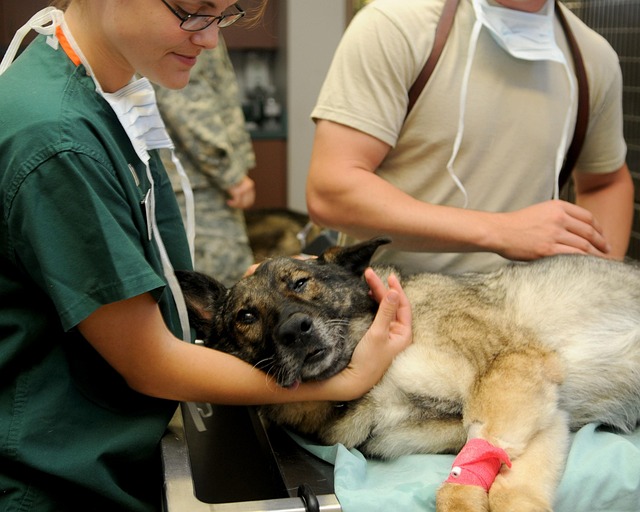
Step-by-Step Process for Claim Submission
- Take your dog to the vet and pay the bill.
- Submit the claim form and itemized receipt to your insurance company.
- Wait for the claim to be processed (typically takes a few days to a few weeks).
What to Expect During the Claims Process
The claims process can vary depending on the provider. Some companies are quicker than others, but all require documentation from your vet.
How to Maximize Your Claim Payout
To ensure a smooth claims process, provide all required documents and be thorough when filling out the claim form.
When Should You Consider Pet Insurance for Your Senior Dog?
The Earlier, the Better
While it’s ideal to get insurance before your dog reaches their senior years, it’s never too late to start. The sooner you enroll your dog, the better the coverage options available.
Signs That It’s Time to Get Pet Insurance for Older Dogs
If your dog is experiencing health problems, or if they’re entering their senior years, it’s a good idea to get insurance to cover potential medical expenses.
Conclusion:
In conclusion, pet insurance for older dogs is a smart investment. It provides financial peace of mind, ensuring your pet gets the necessary care without breaking the bank. With the right policy, you can protect your dog from the high cost of aging-related health problems. So, take action today and find the best coverage for your senior dog!
Read More:https://usapetsinfo.com/metlife-pet-insurance-complete-review-and-buying-guide/


